How Lighting Design Transforms Your Mood and Productivity
The spaces we inhabit shape our experiences in ways we often overlook. Among the most powerful yet underestimated influences on our daily well-being is lighting. From the moment we wake up to when we wind down for sleep, the quality and type of light surrounding us plays a crucial role in how we feel and perform.
Effective lighting design significantly influences mood and productivity, yet many people live and work under suboptimal conditions without realizing the impact on their mental state and output. Understanding this connection can help you create environments that support your goals and enhance your quality of life.
How Lighting Affects Mood
Light serves as nature’s primary regulator of our internal clock, directly influencing the production of essential hormones like serotonin and melatonin. Natural sunlight triggers serotonin release, often called the “happiness hormone,” which explains why many people feel more energetic and positive on bright, sunny days.
The absence of adequate natural light can lead to seasonal affective disorder (SAD) and general mood disturbances. Artificial lighting, while necessary, can disrupt these natural rhythms when poorly implemented. Blue light from screens and harsh fluorescent bulbs can suppress melatonin production, making it harder to fall asleep and affecting mood the following day.
Colors of light also carry emotional weight. Warm light (around 2700K-3000K) creates feelings of comfort and relaxation, making it ideal for living spaces and bedrooms. Cool light (5000K-6500K) promotes alertness and focus, though it can feel sterile if overused. The strategic use of different color temperatures throughout your space can guide emotional responses and support desired activities.
Lighting for Productivity
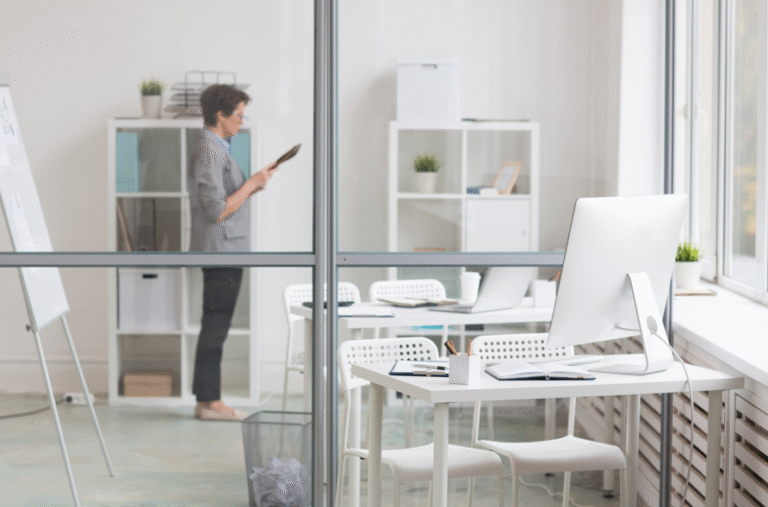
Research consistently shows that bright, natural light enhances cognitive function and focus. Workers in offices with ample daylight report higher job satisfaction and demonstrate improved performance compared to those in poorly lit environments. Natural light helps regulate circadian rhythms, leading to better sleep quality and increased daytime alertness.
Task-specific lighting design prevents eye strain and fatigue, common productivity killers. Computer work requires different illumination than reading physical documents or engaging in creative activities. Proper lighting reduces the contrast between bright screens and dark surroundings, minimizing the constant adjustments your eyes must make throughout the day.
When selecting lamps and fixtures, consider the specific activities performed in each space. Desk lamps with adjustable brightness and color temperature offer flexibility for different tasks. Under-cabinet lighting eliminates shadows in work areas, while floor lamps can provide ambient lighting to reduce harsh contrasts. Layer different light sources to create a balanced environment that supports sustained focus without causing fatigue.
See also: A Homeowner’s Guide to Clearing Blocked Drains: Know When to DIY and When to Call the Pros
Creating Spaces That Work for You
Understanding lighting’s impact on mood and productivity empowers you to make intentional choices about your environment. Small adjustments can yield significant improvements in how you feel and function daily.
Start by maximizing natural light wherever possible—position workspaces near windows, use light-colored surfaces to reflect daylight, and keep window coverings minimal during daytime hours. When artificial lighting is necessary, invest in quality fixtures that offer adjustable settings to match your activities and time of day.
Consider your lighting design as an investment in your well-being and success. The right illumination can transform any space from merely functional to genuinely supportive of your goals and happiness.