Understanding Fiscal Health: Why It Matters for Economic Stability
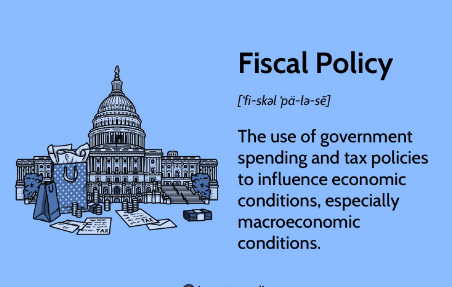
Fiscal fitness is a critical economic planning concept defined as fiscal resource availability, management, and sustainability. It includes spending and earning as well as the balance of entering into a long-term growth cycle and avoiding economic crises, which contrasts with a macro approach. Fiscal health on a national and organizational dimension symbolizes success in generating money, managing expenses, and maintaining profitability at the business level.
Sound fiscal health avoids overborrowing and ensures sufficient resources for critical services such as healthcare, infrastructure, education, and developmental projects. On the contrary, bad fiscal health means you’re under financial stress and borrowing to pay for more spending at increasing prices for anemic growth. Hence, sound fiscal conditions are needed to sustain long-term growth and prevent economic crises from affecting development.
See also: How Commercial Modular Construction Can Speed Up Your Next Building Project
Why is Fiscal Health Essential?
Fiscal Health Importance
• Stability of Economy: Sound fiscal policy can protect against the hazards of inflation, recession and surpluses.
• Sustainable Development: Fiscally strong governance guarantees that long-term objectives, such as poverty alleviation or infrastructure expansion, are achieved without imposing economic strain.
• Investment Magnet: Good fiscal stability signals a strong financial environment in the region, which attracts domestic and foreign investment.
• Public Trust: Sound fiscal management would enhance public trust in government policies, revenue systems, and economic reforms.
Key Indicators of Fiscal Health
Fiscal Health Assessment Indicators
• Budget Balance: Indicates whether expenses are greater than revenues.
• Public Debt Ratio: Returns of governments and their eligibility to repay.
• Tax Efficiency: Signifies equitable and efficient tax recovery.
• Spending Prioritization: Displays which sectors receive money from the public coffers.
Improving Fiscal Health: Practical Strategies
Fiscal Health Strengthening Strategies
• Strengthening Revenue Collection: Establish equitable tax policies, strengthen digital tax systems and tackle corruption.
• Orderly Budgeting: Set priorities for vital health, education and infrastructure sectors. Minimise wasteful spending.
• Debt Management: Actively borrow for productive needs.
• Promoting Economic Growth: Policies that foster business and export growth, and innovation increase incomes and government revenues.
• Transparency: Transparent budgeting and financial portions give the public confidence and decrease the temptation of economic mismanagement.
Financial Health at the Individual Level
And while that term is used chiefly during government chats, individuals have to think about the health of their own personal finances. Strong personal fiscal health, manageable income, savings, and expenses. People can develop their financial well-being by:
Creating a monthly budget
Avoiding unnecessary loans
Building savings and emergency funds
Planning for long-term goals — like education, home ownership or retirement
A well-balanced national economy contributes to economic stability, and personal fiscal discipline leads to a stable and happy future.
Conclusion
In conclusion, financial health is essential for the long-term stability and prosperity of economies, businesses, and individuals. It involves not just the generation and use of money but also planning, risk management, and making choices to support sustainable growth. A healthy savers-to-payers ratio also helps make the most of resources and keep debt in check as development progresses.
Whether it is a government overseeing the spending of an entire nation or a person managing their own personal holdings, financial health is critical for combining security and growth. Emphasizing transparency and responsibility in spending and planning will be the roadmap for societies and individuals seeking long-term success and stability.