Traditional vs Infrared: Which Cube Sauna Suits You as a Beginner
A traditional cube sauna heats air to 170 to 190 degrees Fahrenheit using an electric heater and stones, while an infrared cube sauna uses carbon or ceramic panels to warm the body directly at a lower air temperature, usually 120 to 140 degrees. Traditional models need a dedicated 240V circuit and 30 to 45 minutes to reach temperature; most infrared cube saunas plug into a standard 120V outlet and are ready in 10 to 15 minutes. Neither is objectively better. The right choice depends on install constraints, session length preference, and whether long-term cohort research on Finnish-style bathing matters to the buyer.
Step 1: Check What Your Electrical Panel Can Support
Before comparing features, look at what is actually available at the install site. A traditional cube sauna heater in the 4.5 to 6kW range needs a dedicated 240V circuit, which usually means running new wire from the panel and pulling a permit, depending on the jurisdiction. An infrared cube sauna in the 1.5 to 3kW range typically runs on a standard 120V, 20-amp outlet, so if the backyard spot only has access to a regular outdoor receptacle, infrared removes an entire step from the install process. This single factor eliminates one option for a lot of beginners before any other comparison matters.
Step 2: Decide How Much Heat You Actually Want
Traditional sauna bathing runs hot: 170 to 190 degrees Fahrenheit with the option to add steam by pouring water on the stones (löyly), producing a humid heat spike that traditional bathers specifically seek out. Infrared cube saunas run cooler, generally 120 to 140 degrees, and heat the body through radiant panels rather than the surrounding air, which some people find easier to tolerate for a longer session. A first-time buyer who wants the classic, intense sauna experience with steam should lean traditional. Someone who wants a gentler, longer session without the option of steam should lean infrared.
Step 3: Compare Warm-Up Time Against How Often You’ll Actually Use It
A traditional cube sauna heater with a full stone load needs real time, often 30 to 45 minutes, to bring both the air and the stones up to temperature. Infrared panels heat much faster since there is no stone mass to bring up to temperature, often ready in 10 to 15 minutes. For a beginner squeezing sessions in on weeknights, that difference can be the gap between a session actually happening and it getting skipped because the wait felt like too much.
Step 4: Weigh the Evidence Base Behind Each Style
Traditional Finnish-style sauna bathing has a substantial body of research behind it, including large cohort studies and systematic reviews linking regular use to favorable cardiovascular markers and lower all-cause mortality in habitual bathers. A Mayo Clinic Proceedings review summarizing this evidence covers traditional dry sauna use specifically. Infrared sauna research is a newer and smaller field by comparison, with less long-term cohort data available. That does not mean infrared lacks any evidence, but a beginner who wants a health-evidence-first decision has more to go on with traditional heat. Some smaller trials have measured infrared sauna effects on blood pressure and arterial function with promising short-term results, but the sample sizes are much smaller than the tens of thousands tracked in Finnish traditional-sauna cohorts, so the confidence level in the data differs substantially between the two heat types.
Can a Beginner Try Both Before Committing to One?
Public spas, gyms with sauna facilities, and some sauna dealers keep floor models of both traditional and infrared cabins running, which makes it possible to sit in each for 15 to 20 minutes before making a purchase decision. Paying close attention to how the heat feels, whether the higher traditional temperature feels invigorating or simply uncomfortable, and whether the infrared option feels too mild to be satisfying, tells a beginner more in one afternoon than any spec sheet comparison. Local sauna clubs and wellness centers in cold-climate cities increasingly offer day passes specifically for this kind of comparison shopping. For someone still undecided after reading through the electrical, heat, and research differences, an in-person test session is worth the modest cost before committing to an install that involves either new 240V wiring or a permanent 120V outlet location.
Step 5: Match the Cabin to Your Space and Budget
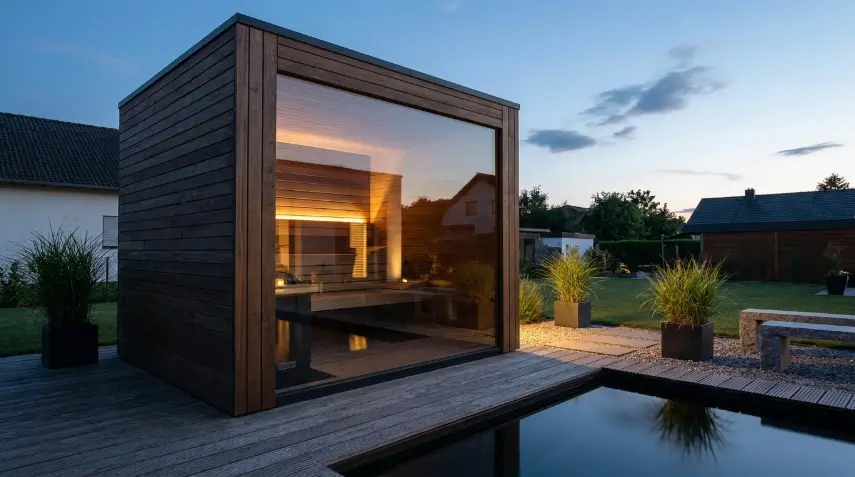
Both styles are available in a 2-person cube footprint with flat-panel construction, a pent roof, and a glass door, so the physical build does not usually decide the choice. Installation cost is where the paths diverge most: traditional units carry the added expense of electrical work for a 240V circuit, while infrared units can sometimes plug straight into an existing outdoor outlet. When comparing pre-built cube options side by side, shoppers can review both heater types in the SweatDecks catalog to see how the same cabin shell is offered with either a traditional electric heater or infrared panels, which makes the tradeoffs easier to compare directly.
Step 6: Make the Call
If steam, higher heat, and a bigger body of long-term research matter most, choose traditional and budget for the electrical work. If a simpler 120V install, faster warm-up, and a gentler session matter most, infrared is the more practical first sauna. Either choice, used consistently, is a reasonable starting point, and nothing stops a beginner from trying a friend’s or a spa’s version of the style they are unsure about before committing to a purchase.
Frequently Asked Questions
Which cube sauna heats up faster, traditional or infrared?
A traditional electric heater in a cube sauna typically reaches operating temperature in 30 to 45 minutes because it has to heat both the air and a stone load. An infrared cube sauna warms the panels and the person directly and is usually ready to sit in within 10 to 15 minutes.
Does a traditional cube sauna use more electricity than infrared?
Yes, generally. A traditional 6kW electric sauna heater draws more continuous power to heat air and stones to 170 to 190 degrees, while infrared panels typically run in the 1.5 to 3kW range and operate at lower air temperatures, so per-session electricity draw is usually lower.
Can a beginner install either type without an electrician?
Most traditional cube sauna heaters in the 4.5 to 6kW range require a dedicated 240V hardwired circuit installed by a licensed electrician. Many infrared cube models run on a standard 120V outlet, which is one reason first-time buyers find infrared easier to set up in an existing yard.
Which style has more research behind it?
Traditional Finnish-style sauna bathing has the larger body of long-term cohort research, including studies on cardiovascular mortality. Infrared sauna research exists but is a smaller, newer body of evidence, so buyers choosing infrared should know they are working with less long-term data.
References
- Cardiovascular and Other Health Benefits of Sauna Bathing: A Review of the Evidence, Mayo Clinic Proceedings, 2018.
- Clinical Effects of Regular Dry Sauna Bathing: A Systematic Review, Evidence-Based Complementary and Alternative Medicine, 2018.
- Benefits and risks of sauna bathing, The American Journal of Medicine, 2001.
By Diane Cooper